
30th Symposium of Biology and Immunology of Reproduction
Chateau Liblice
5-7 October 2025
Conference scope
SBIR (Symposium of Biology and Immunology of Reproduction) has been running for 25 years, under the management of doc. RNDr. Jana Pěknicová, CSc., and Prof. MUDr. Zdenka Ulčová-Gallová, DrSc. Since 2021 the conference is organized by doc. Dr. Kateřina Komrsková, Ph.D., head of the Laboratory of Reproductive Biology, Institute of Biotechnology of the Czech Academy of Sciences. The goal of the SBIR conference is to build a platform for researchers, medical doctors, immunologists, andrologists, gynaecologist, and other scientists interested in reproduction, assisted reproduction, and reproduction related topics. We provide a forum, where everybody can share their research progress and ideas in a collaborative and inclusive atmosphere. This conference is opened to researchers, both senior and junior, clinicians, and students. We encourage both oral presentations and poster sessions, based on your preference. The goal of the SBIR conference is to broaden both our national and international communities and expand knowledge in the biology and immunology of reproduction. Feel free to share this information with your friends, students, and colleagues.
Previous conference 2024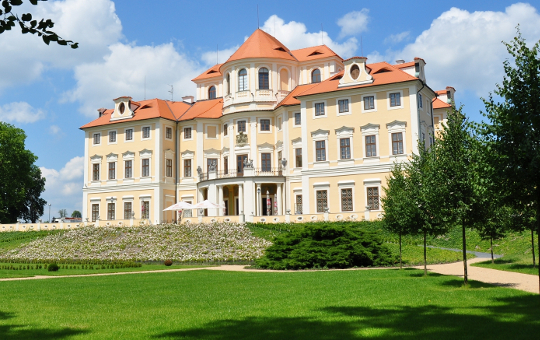
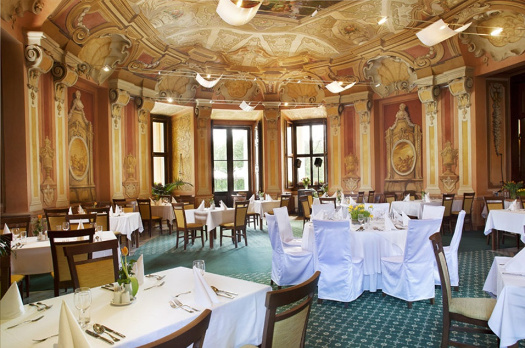
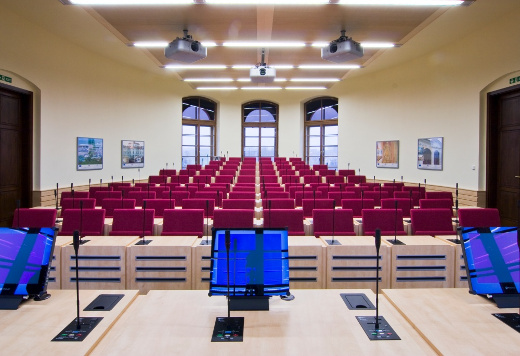
Venue
Chateaux Liblice is a conference centre of the Academy of Science of the Czech Republic. The romantic setting of the chateaux is sure to stimulate your senses. A walk through our castle garden and meadow will certainly help revitalise your energy.
Chateaux rooms
Take advantage of the unique opportunity of accommodation in our chateaux where the rooms are furnished by original furniture from the 19th Century. In chateaux Liblice we will help you relax in privacy, with unforgettable moments, and a unique experience.
Depandance rooms
These are our standard rooms. They are located in the buildings next to the castle and they are furnished with modern furniture.
Invited speakers
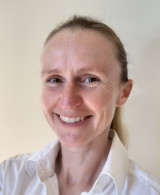 Dr Deidre Mattiske
Title of the lecture: Defining the Impacts of
Environmental Pollutants on Reproductive Health
Deidre Mattiske is a Research Fellow at the University of Melbourne, Australia. She is a team
leader within the TIGRR (Thylacine Integrated Genetic Restoration Research) lab, led by Prof
Andrew Pask, where her research focuses on placenta and embryo development within marsupials and
establishing assisted reproductive techniques for these unique mammals. The TIGRR lab was
established to examine the possibility of de-extinction for this specie as well as develop
next-generation tools to help preserve and conserve current threatened and endangered marsupial
species. In addition, TIGRR lab recently established the first Australian living cell biobank at
Museums Victoria – to preserve current biodiversity. Together this work is focused on providing
an integrated framework to preserve, conserve and even restore Australia’s unique biodiversity.
 Dr hab. eng. Zofia E. Madeja
Title of the lecture: The role of mitochondria
in shaping embryonic developmental competence from oocyte maturation to the first cleavage
division
Dr hab. eng. Zofia E. Madeja is an Assistant Professor at the Poznań University of Life
Sciences, where she focuses on early embryonic development and the role of mitochondria in
oocyte maturation, fertilisation, and embryo quality. Specialising in embryology, molecular
biology and reproductive technologies, she conducts research on multiple mammalian models,
including cattle, pigs and mice. After completing her PhD, she worked at The Gurdon and Babraham
Institutes in Cambridge, studying implantation and embryo–maternal interactions. She has led
several national research projects in Poland and received awards from the Foundation for Polish
Science and the Ministry of Science and Higher Education. Her work aims to advance both animal
breeding and human reproductive medicine.
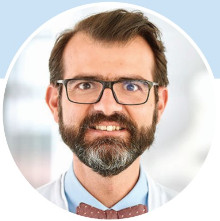 Prof. Jean-Pierre Allam
Title of the lecture: Male genital tract
inflammation and its impact on male fertility
Prof. Jean-Pierre Allam is director of the Andrology clinic at the University Hospital Bonn. He
started his career at the department of dermatology and allergy at the same university to become
a board approved dermatologist in 2005. His main field of interest was the imbalance of immunity
and tolerance in dermatological diseases, allergy and andrology. He became a professor in 2013.
Since 2005 he focused on immunological alterations in male infertility where dysbalance of
immunity and tolerance play a pivotal role in sperm function. He became a state approved
andrologist in 2009. He authored more than 150 publications, is a academician at the European
Academy of Andrology, is a board member of the German Society of Reproductive Medicine and
received several awards.
Sponsors











Organizers

doc. Dr. Kateřina Komrsková, Ph.D.
Institute of Biotechnology, Czech Academy of Sciences
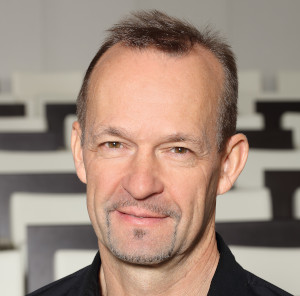
Dr. Dominik Filipp. Ph.D.
Institute of Molecular Genetics of the Czech Academy of Sciences
Program
Sunday, 5. 10. 2025
Lecture room
Jean-Pierre Allam: Male genital tract inflammation and its impact on male fertility
Chairperson: Kateřina Komrsková
- Kristína Jančovičová: The role of AIRE in female fertility
- Marie Pleváková: A novel ex vivo testicular model for the study of inflammation-related infertility
- Natalie Fikarová: Sertoli cells respond to inflammation with increased itaconate production
Marble room
Monday, 6. 10. 2025
Lecture room
Deidre Mattiske: Defining the Impacts of Environmental Pollutants on Reproductive Health
Chairperson: Dominik Filipp
Chairpersons: Dominik Filipp, Zofia E. Madeja
- 9:50-10:10 Martin Pšenička: Embryonic Development of Sturgeons: Unique Cleavage, Germ Plasm Localization, and Germline Specification
- 10:10-10:30 Eleonora Pustovalova: Mechanisms of Sperm Acceptance and Rejection in Non-Hybrid and Hybrid Fishes
- 10:30-10:50 Olga Bondarenko: Ion signaling in trout sperm motility: how Ca2+, K+ and pH play along to activate spermatozoa
- 10:50-11:10 Serhii Boryshpolets: Basics of sperm motility and environmental factors affecting spermatozoa behaviour during reproduction in different species
- 11:10-11:30 Ondřej Šimoník: Flow cytometry in spermatology: present and future direction
Marble room
Lecture room
Zofia E. Madeja: The role of mitochondria in shaping embryonic developmental competence from oocyte maturation to the first cleavage division
Chairperson: Ondřej Šimoník
Chairpersons: Ondřej Šimoník, Pavla Postlerová
- 15:20-15:40 Barbora Klusáčková: The use of different capacitation media affects the course of in vitro capacitation of boar spermatozoa
- 15:40-16:00 Zuzana Pilsová: Hydrogen sulfide mediates protein persulfidation and regulates motility in boar spermatozoa
- 16:00-16:20 Kateřina Grygarová: The effect of exogenous hydrogen sulfide supplementation on sperm quality and fertilizing potential
- Patrik Fecko: Effect of eugenol on stress levels during in vitro maturation of oocytes
- Ivan Oseguera Lopez: Ganglioside GM1 Activates CaV2.3 Channels During Human Sperm Capacitation and Favors Acrosomal Reaction
- Simona Pikulová: Impact of centrobin deficiency on spermatogenesis
- Ondřej Šanovec: Septin12 and Protamine 2: new players influencing sperm quality
Marble room
Tuesday, 7. 10. 2025
Lecture room
Chairpersons: Ondřej Šanovec, Michaela Frolíková
- 9:30-9:50 Deidre Mattiske: Methylation changes in the male germ line following exposure to an estrogenic endocrine disruptor
- 9:50-10:10 Zdenka Ulčová-Gallová: Neuro – endocrinological and immunological analysis of our egg donors (Case report)
- 10:10-10:30 František Liška: Centrobin interaction with Odf1 and Odf2 is required for outer dense fibers positioning and sperm head to tail coupling
Poster session 1 (Marble room) (Young Scientist Competition)
- Kristína Jančovičová: The role of AIRE in female fertility
- Marie Pleváková: A novel ex vivo testicular model for the study of inflammation-related infertility
- Natalie Fikarová: Sertoli cells respond to inflammation with increased itaconate production
- Patrik Fecko: Effect of eugenol on stress levels during in vitro maturation of oocytes
- Ivan Oseguera Lopez: Ganglioside GM1 Activates CaV2.3 Channels During Human Sperm Capacitation and Favors Acrosomal Reaction
- Simona Pikulová: Impact of centrobin deficiency on spermatogenesis
- Anna Ševčíková: The impact of different in vitro maturation media on the expression of key genes involved in cumulus-oocytes complexes quality
- Sara Ataei-Nazari: The sperm DNA stability defined by various cytochemical assays as indicator of cryosensitivity
- Aneta Pilsová: Mapping H2S-producing enzymes in reproductive tissues and spermatozoa: a multi-technique approach
- Natálie Zelenková: Methods for identifying sperm-zona pellucida receptors in mammals
- Barbora Dolečková: Extracellular vesicles of the porcine reproductive tract as mediators of gamete communication
Poster session 2 (Marble room)
- Filip Benko: Breed-dependent differences in bacterial profiles of bovine ejaculates
- Michal Ďuračka: Differences in sperm quality among selected horse breeds
- Petra Sečová: Do tetraspanins reflect sperm quality?
- Jana Antalíková: Sialome profiling as a marker of sperm quality
- Jana Jankovičová: Comparative analysis of the distribution of extracellular vesicle markers, CD9, CD63 and CD81, in bovine blastocysts from fresh and vitrified oocytes
- Jiří Bezdíček: Oxidative stress in the peripartum period of dairy cows.
- Irena Kratochvílová/Olga Teplá: Fertilization timing adjusted according to meiotic spindle status: implications for oocyte maturation and embryo ploidy
- Lukáš Děd: 3D insights into the sperm-egg interaction and fertilization
- Michaela Frolíková: Polarization Microscopy: Spindle Morphometry for Oocyte Quality Assessment
- Maryam Qasemi: AVEXIS, a newly set-up method for membrane protein interactions analysis
Conference details
Date: 5. - 7.10.2025
Location: Chateau Liblice, Czech Republic
Registration fee:
Student registration 3 000 CZK or 120 euro including the tax.
tomcany@zamek-liblice.czAccommodation is not included in the conference fee.
Deadlines summary:
1.7.2025 End of abstract submission
Please note that participants must pay their registration fee by 1.10.2025 or their registration will be cancelled.
Cancellation policy:
Cancelling your registration from 1.10.2025 cancellation fee 100 %
Email: conference@sbir.cz
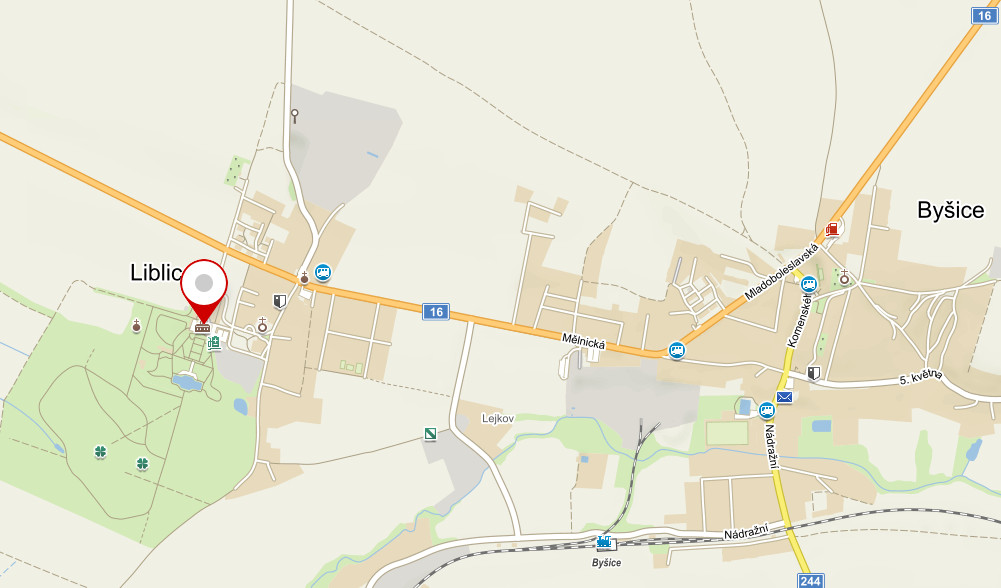
Liblice 61
277 32 Liblice
Czechia
GPS: 50.3117617N, 14.5864258E